Introduction
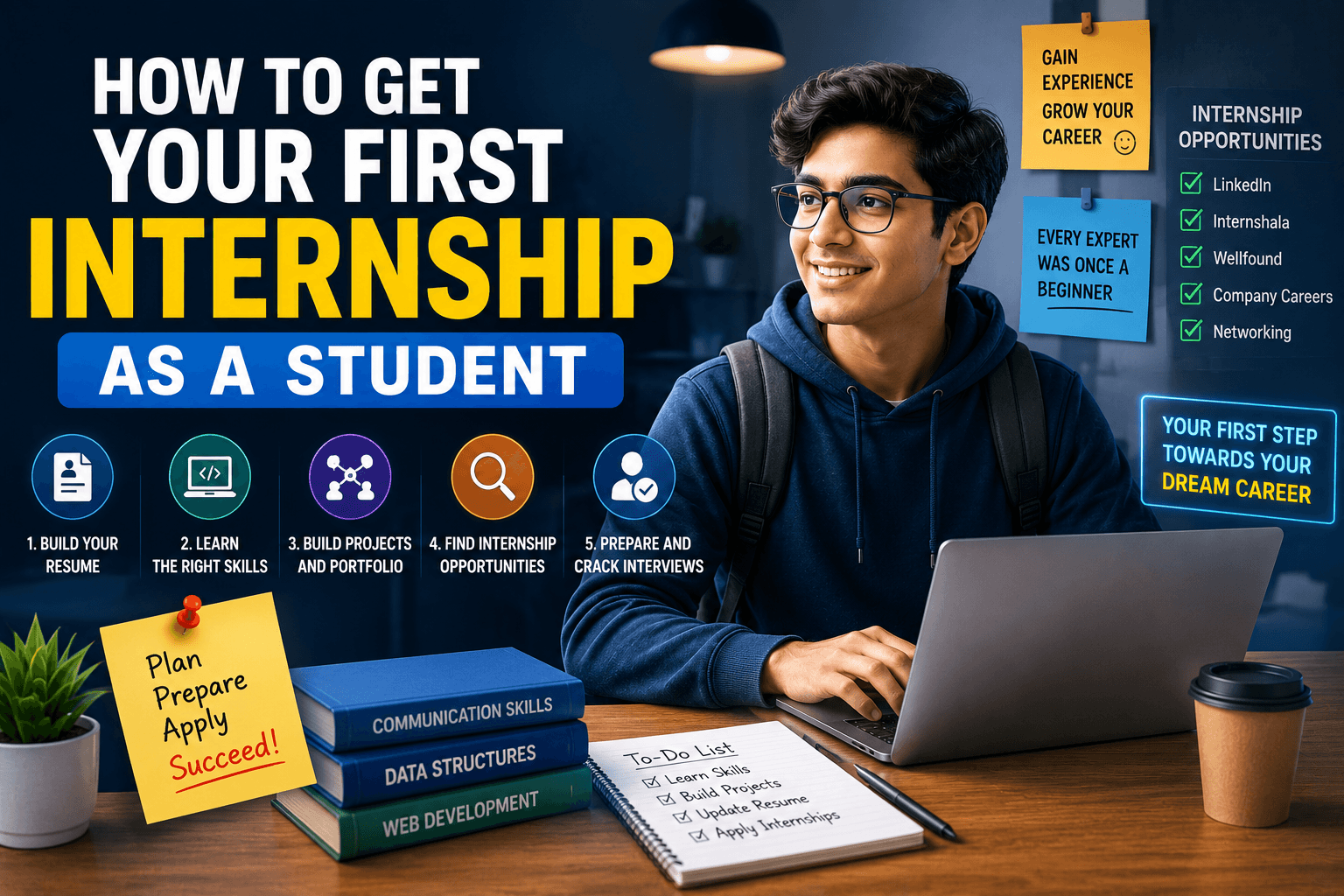
Congratulations on deciding to pursue your first internship! As a student, an internship is one of the most valuable steps you can take toward building your career. It provides real-world experience, helps you develop professional skills, and makes your resume stand out. But let’s be honest—getting that first opportunity can feel overwhelming. Where do you start? How do you compete with others? Don’t worry—we’ve got you covered. In this guide, we’ll walk you through practical steps to land your first internship as a student.
Step 1: Build a Strong Foundation
Identify Your Goals and Interests
Before you start applying, take some time to reflect on what you want. What industries excite you? What skills do you want to develop? For example, if you’re studying computer science, you might aim for a tech internship. If you’re in marketing, look for roles in social media or content. Knowing your direction will help you target the right opportunities.
Polish Your Resume and LinkedIn Profile
Your resume is your first impression. Even without prior work experience, you can highlight academic projects, volunteer work, leadership roles, and relevant coursework. Use action verbs like “developed,” “led,” or “managed.” Keep it to one page. Also, create a professional LinkedIn profile with a photo, summary, and your skills. Many recruiters search for candidates on LinkedIn.
Need help with your resume? Check out our courses for resume writing tips.
Step 2: Search for Opportunities
Where to Look
Start with your college’s career center—they often have exclusive job boards and connections. Online platforms like LinkedIn, Internshala, and Indeed are great too. Don’t forget to check company websites directly. Many firms list internships under “Careers.”
Network, Network, Network
Networking is key. Talk to professors, alumni, and professionals in your field. Attend career fairs, webinars, and industry events. A simple informational interview can lead to a referral. Remember, many internships are filled through referrals before they’re even posted.
For more networking strategies, read our other articles on career growth.
Step 3: Craft a Winning Application
Tailor Your Resume and Cover Letter
Customize your application for each role. Use keywords from the job description. For your cover letter, explain why you’re interested and how your skills align. Keep it concise and professional.
Showcase Your Projects
If you lack experience, showcase projects you’ve done—whether it’s a class assignment, a personal blog, or a GitHub repository. Employers value practical skills.
Step 4: Ace the Interview
Prepare Common Questions
Practice answers to questions like “Tell me about yourself” and “Why do you want this internship?” Use the STAR method (Situation, Task, Action, Result) for behavioral questions.
Ask Thoughtful Questions
At the end, ask questions about the team, projects, or company culture. It shows genuine interest.
Step 5: Follow Up and Stay Persistent
Send a thank-you email within 24 hours after the interview. If you don’t hear back, follow up after a week. Rejection is normal—keep applying and improving. Your first internship is just the beginning of an exciting journey.
Conclusion
Landing your first internship as a student requires effort, but it’s absolutely achievable. Focus on building your skills, networking, and staying persistent. Remember, every internship is a learning experience. Good luck!
Getting your first internship is not about being perfect — it is about starting.
If you:
-
Learn basic skills
-
Build small projects
-
Apply consistently
-
Stay active on LinkedIn
-
Keep improving
FAQs
1. Can I get internship without experience?
Yes, many internships are designed for beginners.
2. What is the best platform for students?
Internshala and LinkedIn are the best.
3. How long does it take to get internship?
Usually 2–6 weeks if you apply consistently.
4. Are unpaid internships useful?
Yes, especially for beginners to gain experience.