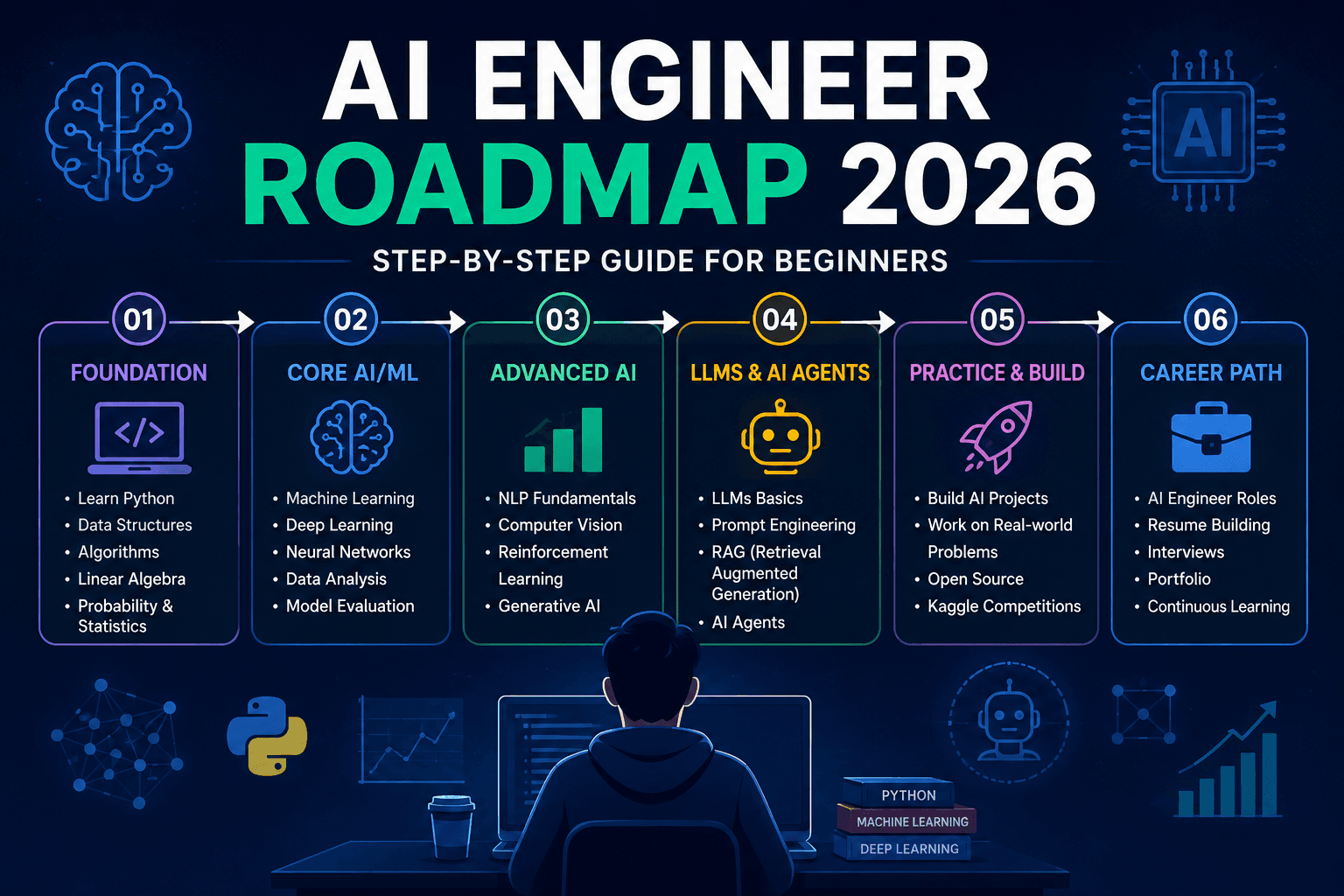
Career Roadmap After Graduation in 2026
A clear career roadmap after graduation helps students avoid confusion and focus on the skills that employers are looking for in 2026. Following a structured career roadmap after graduation can significantly improve job opportunities and long-term career growth.
Graduation is an important milestone, but it also brings one of the biggest questions: what should you do next? Many students feel confused about choosing the right career path, developing relevant skills, and finding job opportunities. This career roadmap after graduation will help you understand the steps required to build a successful career in 2026.
Why Career Planning Matters
The job market is changing rapidly due to technology, automation, and evolving industry requirements. Having a clear plan can help graduates avoid confusion and focus on the skills and experiences that employers value most.
A well-structured career plan allows you to:
One of the biggest advantages of having a career roadmap after graduation is that it helps students identify the right skills to learn based on industry demand.
Set clear professional goals.
Develop industry-relevant skills
Improve employability
Build confidence
Achieve long-term career growth.
Step 1: Identify Your Interests and Strengths
Before applying for jobs, take time to understand your interests, strengths, and career goals. Ask yourself:
What subjects do I enjoy?
What skills am I naturally good at?
What type of work environment do I prefer?
Which industries interest me the most?
Knowing your strengths will help you choose a career path that matches your personality and ambitions.
Step 2: Choose the Right Career Path
After identifying your interests, research different career options. Some popular career paths in 2026 include:
Technology Careers
A successful career roadmap after graduation should always include practical projects and a professional portfolio that demonstrates real-world abilities.
Software Developer
Data Analyst
AI Engineer
Cybersecurity Specialist
Cloud Engineer
Business Careers
Creative Careers
Graphic Designer
UI/UX Designer
Content Creator
Video Editor
Choose a career path based on your interests, skills, and future growth opportunities.
Step 3: Learn Industry-Relevant Skills
One of the most important parts of acareer roadmap after graduationis skill development. Employers are looking for candidates who can contribute immediately.
Some valuable skills include:
Technical Skills
Soft Skills
Communication
Teamwork
Leadership
Time Management
Problem Solving
Continuous learning helps you stay competitive in the job market.
Step 4: Build a Professional Portfolio
A strong portfolio showcases your abilities and practical experience.
Your portfolio can include:
Academic Projects
Personal Projects
Internships
Certifications
Research Work
Achievements
A portfolio gives recruiters evidence of your skills and helps you stand out from other applicants.
Step 5: Gain Practical Experience
Practical experience is often as important as academic qualifications.
You can gain experience through:
Internships
Freelancing
Volunteer Work
Industry Projects
Part-Time Jobs
Real-world experience helps develop confidence and improves job readiness.
Step 6: Create a Strong Resume
A professional resume is essential for job applications.
Your resume should include:
Contact Information
Education Details
Skills
Projects
Certifications
Internship Experience
Keep your resume concise, relevant, and up to date.
Step 7: Build Professional Networking Skills
Networking can significantly improve career opportunities.
Effective networking methods include:
Connecting with professionals on LinkedIn
Attending webinars and workshops
Joining professional communities
Participating in industry events
Engaging with alumni networks
Strong professional relationships often lead to internships, referrals, and job opportunities.
Step 8: Prepare for Interviews
Interview preparation is a critical step in the hiring process.
Focus on:
Technical knowledge
Communication skills
Problem-solving ability
Confidence
Industry awareness
Practice common interview questions and participate in mock interviews whenever possible.
Common Career Mistakes After Graduation
Networking is an important part of every career roadmap after graduation because professional connections often lead to internships and job opportunities.
Many graduates delay their career growth by making avoidable mistakes.
Some common mistakes include:
Waiting too long to start applying for jobs
Ignoring skill development
Not building a portfolio.
Avoiding networking opportunities
Applying for every job without a clear strategy
Avoiding these mistakes can help accelerate your career progress.
Best Career Options in 2026
The demand for skilled professionals continues to increase across industries.
Some promising career options include:
Artificial Intelligence
Data Analytics
Cybersecurity
Cloud Computing
Digital Marketing
Product Management
UI/UX Design
These fields offer strong growth potential and attractive salary packages.
Conclusion
Following a structured career roadmap after graduation can help students make informed decisions and achieve long-term success. Focus on identifying your strengths, learning relevant skills, building a portfolio, gaining practical experience, and networking with professionals. With consistent effort and continuous learning, graduates can confidently build rewarding careers in 2026 and beyond.
This career roadmap after graduation provides a clear path for students who want to build a successful and rewarding career. By following this career roadmap after graduation, graduates can stay competitive and achieve their professional goals.